

 Culture and Local Areas
Ecological transition and social inequalities, the challenge is immense
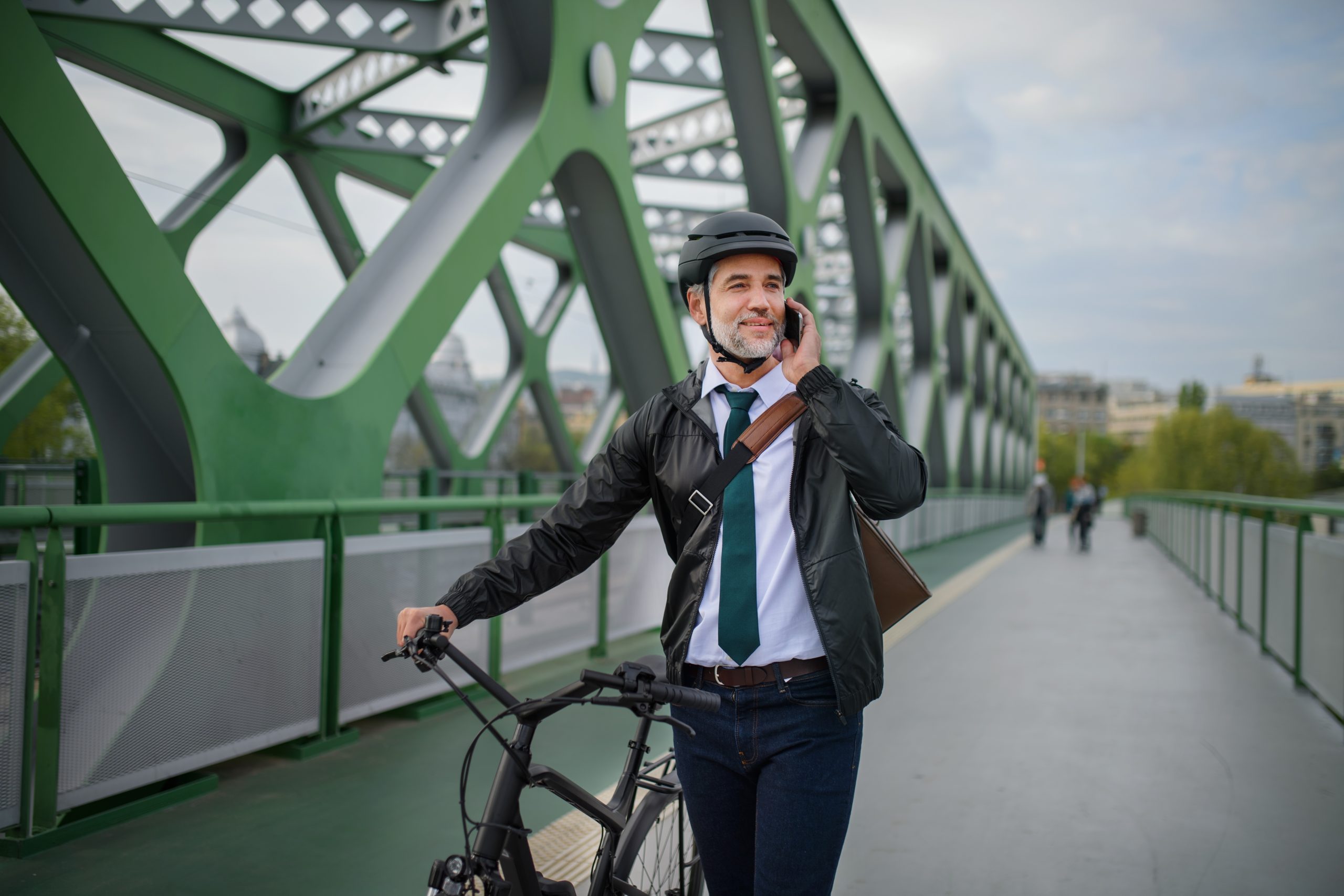
To tackle climate change, it is not enough to rethink energy and environmental policies: all sectors of society must participate in this process, starting with the world of work.
by Giulia Greppi, Percorsi di secondo welfare
Droughts and high temperatures, landslides and floods. Natural phenomena have always marked the rhythms of societies. In recent years, due to phenomena such as industrialisation, globalisation and high productivity, climate change has become evident, also accompanied by a growing sensitivity to the subject and a research activity that has become more focused over time.
Climate change is a phenomenon that affects everyone, but that does not have the same impact on everyone It is for this reason that, when thinking of strategies to face this phenomenon, it is necessary to promote a paradigm shift. The ecological transition must take into account growing social inequalities and can therefore be an opportunity to rethink the world of work.
Starting from the margins
As the Global Climate Risk Index points out, the environmental and health consequences of climate change affect low-income countries the most, but also the poorest people in high-income countries. This is because countries with fewer resources are often more exposed to risks: developing nations are estimated to be 80 times more at risk of a climate-related natural disaster than developed nations. Moreover, countries – and people – who have fewer resources have a lower capacity to adapt and often take longer to cope with these crises.
Certainly at both national and global levels this phenomenon has an impact on biodiversity, air and water quality and the availability of natural resources such as drinking water and food. The phenomenon of the climate crisis therefore poses serious risks to human health and food security. But rising temperatures, excess or absence of rainfall and rising sea levels cause problems, especially for the most vulnerable people. Consider the summer seasons marked by heat peaks: the health of older people is more affected by these phenomena.
Inclusive policies in all sectors
When designing the policies that intend to face this phenomenon, such as the energy transition, it is therefore necessary to bear in mind those who are the most vulnerable. We are talking about a just transition, in fact, to underline the need to carry out measures that are favourable to reducing climate-changing gases, but that also have a particular focus on social justice.
Policies for mitigation and adaptation to climate change should actively involve the most vulnerable groups, such as women (we discussed this topic in a previous study), poor people and, thinking globally, indigenous communities. These groups often suffer more from the effects of climate change and can contribute with knowledge and innovative solutions.
In addition, the involvement of all sectors of society is desirable to address the challenge of climate change in a fair and sustainable way. For example, programmes that aim to foster access to sustainable energy should include funding mechanisms for the installation of solar or biomass energy systems in rural areas or low-income communities. In this sense, Renewable Energy Communities (RECs) represent an interesting example of the possible link between environmental and social sustainability.
Starting from work
As the European Environmental Bureau (EEB), the largest European network of citizens’ organisations and associations dealing with the environment, explains, to tackle the climate crisis we also need to rethink the economy and the world of work.
With the pandemic, some sectors have innovated the market in its traditional characteristics. One example has been the widespread use of agile work, which has led many organisations to rethink business spaces. Another novelty is the emergence of approaches aimed at reducing working hours. As some researchers explain, the slowdown in work rates has also led to benefits in terms of sustainability: since people are not forced to travel for work, in fact, there is a general reduction in the potential for global warming.
However, the shift towards remote working seems to have been a mostly fleeting phenomenon in Italy. According to the ISTAT survey “Situazione e prospettive delle imprese dopo l’emergenza sanitaria Covid-19” [Situation and prospects of companies after the Covid-19 health emergency] in February 2022, 6.6% of companies reported the use of remote working methods. In the previous survey (autumn 2021) the share was 11.3% while it was over 20% in the survey conducted between March and May 2020.
Our energy sustainability has also been called into question with Russia’s recent war in Ukraine. What has happened in the last two years, therefore, is a change that must necessarily be taken into account to rethink both the world of work and our energy consumption for a real ecological transition, as the EEB points out. According to the network, it is also necessary to abandon the production standards that are based on the exponential growth of GDP and adopt a more sustainable approach, in all senses, starting from the rethinking of work in terms of spaces, hours and tasks. We must therefore think about taking sustainable action, not only in areas where the pollution rate is higher, but also across the world of work.