

 Culture and Local Areas
Early childhood services and social capital: a virtuous circle for building community
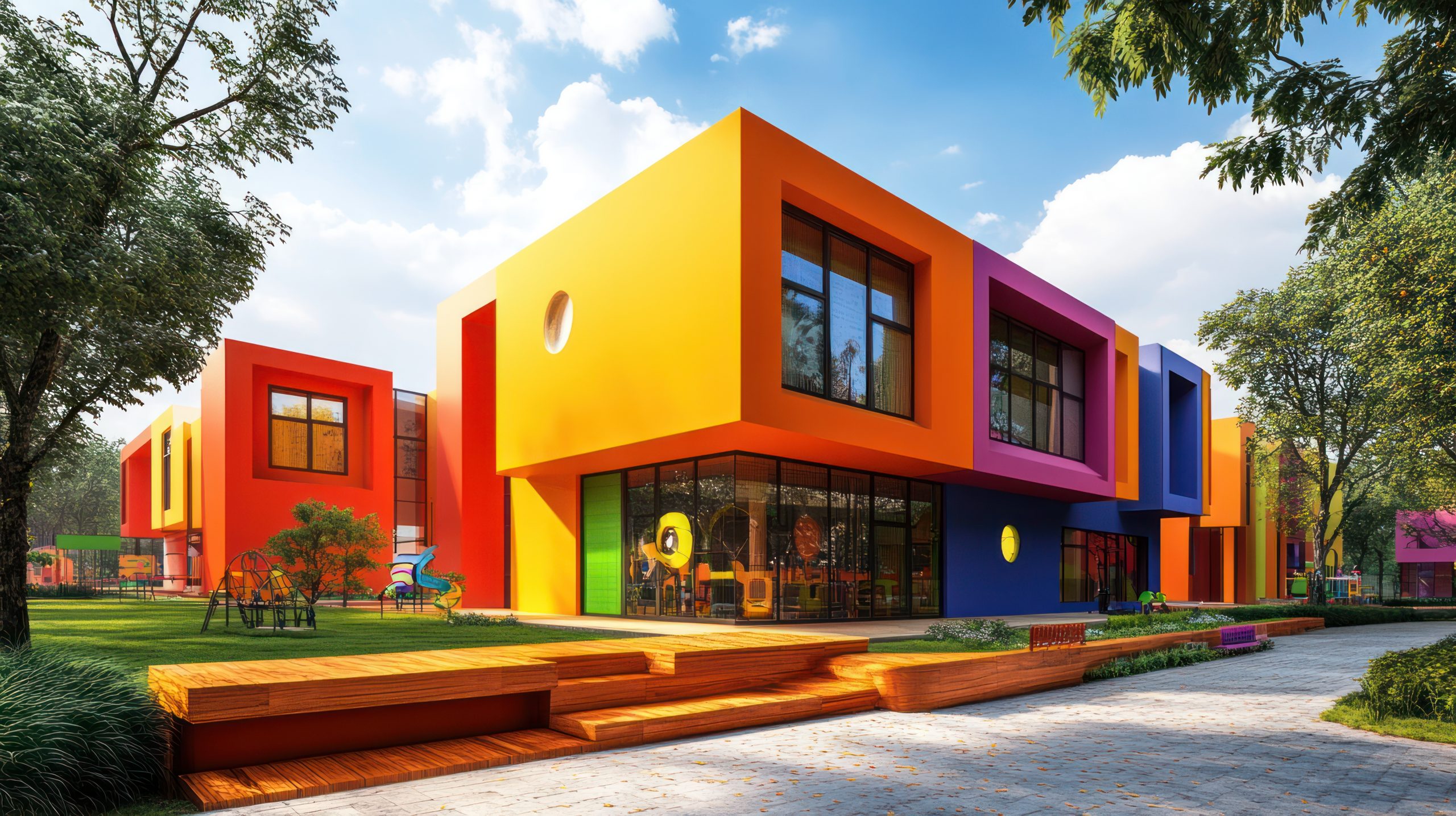
We publish below the introduction of the report titled “Early childhood services and social capital: a virtuous circle to build community, “ the second Report on the FAST Agenda to boost the birth rate in Italy, edited by Percorsi di secondo welfare for Fondazione Lottomatica. Written by Maurizio Ferrera, Franca Maino, Simone Manfredi and Eleonora Rossero, the document through a quantitative and qualitative survey focuses on nurseries as community hubs capable of promoting relationships, inclusion and territorial cohesion, which can boost birth rates but also build strong social ties, support networks and more cohesive and inclusive communities.
In a 2006 paper, Canadian scholar Jane Jenson coined a new expression aimed at drawing attention to the importance of early childhood education and care: the “Lego” model. Compared to the traditional “Ford” model, organized around the large factory and with the male breadwinner worker at the center, with his wife and “dependent” children, the Lego model is instead oriented toward society as a whole and puts individuals at the center, especially women and children. It aims to support the needs of the entire life cycle, starting from birth and motherhood and fatherhood (including work-life balance) to early childhood needs.
Why Lego model? Because the philosophy of this Danish company expresses very well the principles behind the new post-Fordist approach. Lego has been at the forefront of corporate policies to support parenting and reconciliation. And it has pioneered a new pedagogical approach. As stated on its website, Lego sees children “as naturally learning-oriented. This is a valuable quality that should be cultivated and stimulated throughout life. In the Lego view, play is learning. In helping children learn, we contribute to forming adults who are confident, curious, and able to make the best use of the resources they have. For their future. And for ours.”
The Lego model is thus based on three elements: the orientation toward children and thus the centrality of care and education services; the fundamental role of learning at all stages of life as a tool for development and safety; and the link between the full development of individual capabilities and collective well-being.
To view the full report, click the link below: